

















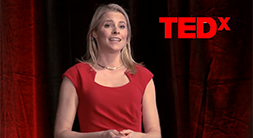
Listen to our FREE Intro MBA Class by Vanessa Loder to learn how you can achieve Success with Ease
and then explore MBA classes
and then explore MBA classes
Team-Building Workshops for Women: Formats Explained
For Corporations & Groups
More about professional speaking engagements

Get information about workshops
Popular Podcasts
Corporate wellness sessions come in many shapes, and the Akoya programme offered three that differed mainly in length. Each combined a talk with exercises that people complete in pairs and groups, and each aimed at team building, practical ways to lower stress and anxiety, and the growth of leadership skills. The archive also notes that the Mindfulness Based Achievement curriculum could be taught on site in programmes of six or ten weeks, or in one or two-day workshops.
Interactive lunch session
The shortest option runs 60 to 90 minutes, which fits into a lunch break. It opens with a talk by the facilitator, Vanessa Loder, followed by interactive exercises with a partner and with the wider group. Most sessions end with a guided visualisation. Topics can be adjusted to suit what the organisation wants to work on.
Half-day event
Half-day workshops typically run in the morning or in the afternoon, about four hours each. They include several team-building and group exercises, then a discussion and question-and-answer period led by the facilitator. An Enneagram personality assessment can be added; the archive says this supports team building and communication. As with the lunch format, most sessions close with a guided visualisation.
Full-day or two-day event
The longest format covers a full working day, nine to five, and can extend to two days. It repeats the team-building exercises, discussion and visualisation of the shorter sessions but leaves room for more depth. Optional group healing sessions, such as breath work and neuro-energetics, could be included depending on the group’s needs. These add-ons are described in the archive in general terms, and anyone considering them should look into the evidence for themselves.
Choosing a format
- Pick the lunch session to introduce an idea to a large group with minimal disruption.
- Pick the half-day when a team wants to practise communication and work through exercises together.
- Pick the full or two-day option for leadership groups or retreats where time away from the desk is acceptable.
Related pages
Learn about the speaking engagements that complement these workshops, read what Mindfulness Based Achievement involves on this page, or return to the home page. Fees and enquiry forms in the original are not reproduced.